
Electric vehicles ideas are reshaping how people think about transportation. From cutting-edge battery technology to creative applications in delivery and agriculture, the EV industry continues to surprise even the most skeptical observers. This article explores the latest innovations, practical charging solutions, and affordable options that make electric vehicles accessible to more drivers than ever before. Whether someone is considering their first EV purchase or simply curious about where the industry is headed, these ideas offer a clear picture of what’s possible today, and what’s coming tomorrow.
Table of Contents
ToggleKey Takeaways
- Solid-state batteries and AI-powered management systems are among the most promising electric vehicles ideas, potentially offering 900+ mile ranges and 20% longer battery life.
- Sustainable charging solutions like solar-powered stations, community hubs, and battery swap stations are removing major barriers to EV adoption.
- Electric vehicles ideas extend beyond personal transport—industries like delivery, agriculture, healthcare, and emergency response are embracing EV technology.
- Budget-friendly EVs like the Chevrolet Equinox EV ($35,000) and used options under $20,000 make electric vehicles accessible to everyday drivers.
- Total cost of ownership favors EVs due to lower fuel costs (~$50/month for home charging), no oil changes, and reduced brake maintenance.
- Vehicle-to-grid technology transforms parked EVs into mobile power stations, allowing owners to earn money by sending energy back to the grid.
Emerging EV Technology Trends to Watch
The electric vehicle market is evolving fast. Several key technologies are driving this change.
Solid-State Batteries
Solid-state batteries represent one of the most exciting electric vehicles ideas in development. These batteries replace liquid electrolytes with solid materials, offering higher energy density and faster charging times. Toyota plans to release vehicles with solid-state batteries by 2027, promising ranges exceeding 900 miles on a single charge.
Vehicle-to-Grid Technology
V2G technology allows electric vehicles to send power back to the electrical grid during peak demand. This turns parked EVs into mobile power stations. In California, some utilities already pay EV owners for participating in V2G programs. The concept transforms cars from energy consumers into energy assets.
Wireless Charging Roads
Several countries are testing roads that charge electric vehicles while they drive. Sweden opened the world’s first permanent electrified road in 2024. This technology could eliminate range anxiety entirely for highway travel.
AI-Powered Battery Management
Artificial intelligence now helps manage battery health and charging patterns. Smart systems learn driver habits and optimize charging schedules to extend battery life. Some manufacturers claim these systems can increase battery longevity by 20% or more.
These electric vehicles ideas show how quickly the industry is advancing. What seemed impossible five years ago is becoming standard equipment today.
Sustainable Charging Infrastructure Solutions
Charging infrastructure remains a critical factor in EV adoption. New solutions are making it easier and greener to power electric vehicles.
Solar-Powered Charging Stations
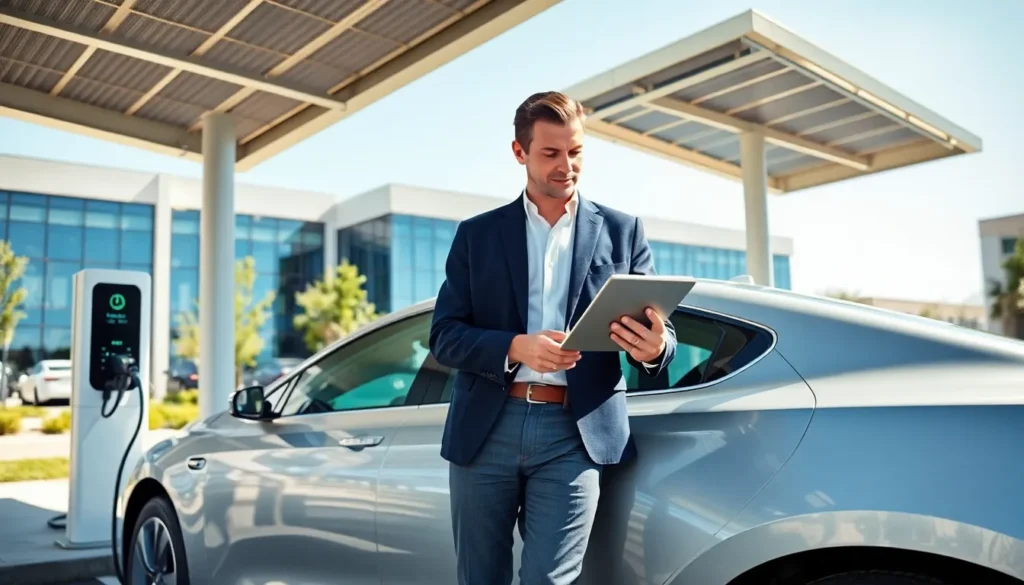
Solar canopies at parking lots now serve dual purposes. They provide shade for vehicles while generating clean energy for charging. Companies like EVgo and ChargePoint have installed thousands of solar-powered stations across the United States. These stations reduce dependence on fossil fuel-generated electricity.
Community Charging Hubs
Urban areas are embracing shared charging facilities. These hubs serve apartment dwellers and renters who lack home charging options. Many cities offer incentives for businesses to install public chargers. New York City alone added over 1,000 public charging points in 2024.
Portable Charging Units
Mobile charging services bring power to stranded EVs. Companies dispatch vans equipped with large battery packs to drivers who run low. This service addresses one of the biggest concerns potential EV buyers express.
Battery Swap Stations
Battery swapping offers an alternative to traditional charging. Drivers pull into a station, and automated systems replace depleted batteries with fully charged ones in under five minutes. NIO operates over 2,500 swap stations in China, and the model is expanding to Europe.
These electric vehicles ideas for charging infrastructure make ownership more practical. They remove barriers that once kept many drivers from considering an EV purchase.
Creative Uses for Electric Vehicles Beyond Personal Transport
Electric vehicles ideas extend far beyond passenger cars. Industries across multiple sectors are finding innovative applications for EV technology.
Last-Mile Delivery
Amazon operates over 17,000 electric delivery vans in the United States. These vehicles handle urban deliveries quietly and without exhaust emissions. UPS, FedEx, and smaller logistics companies are following suit. Electric delivery vehicles reduce operating costs by roughly 50% compared to diesel alternatives.
Agricultural Equipment
Farmers are adopting electric tractors and utility vehicles. John Deere released its first fully electric tractor in 2024. These machines operate more quietly, reducing noise stress on livestock. They also eliminate fuel storage needs on farms.
Mobile Medical Clinics
Healthcare organizations use electric vehicles as mobile clinics in underserved areas. The quiet operation allows for patient consultations without engine noise. Zero emissions make them safer for use near hospitals and schools.
Emergency Response Vehicles
Fire departments in cities like Los Angeles are testing electric fire trucks. These vehicles offer instant torque for rapid acceleration and lower maintenance costs. Some departments report 60% savings on fuel and maintenance combined.
Food Trucks and Mobile Retail
Electric food trucks can operate indoors at events and malls. They produce no exhaust, making them suitable for enclosed spaces. This opens new business opportunities that combustion vehicles cannot match.
These electric vehicles ideas demonstrate the technology’s versatility. EVs are proving useful in contexts their designers never originally imagined.
Affordable EV Options for Everyday Drivers
Cost has long been a barrier to EV adoption. But prices are dropping, and more affordable options now exist.
Budget-Friendly New Models
The Chevrolet Equinox EV starts around $35,000. The Nissan Leaf remains available under $30,000. These prices compete directly with comparable gas-powered vehicles. Federal tax credits of up to $7,500 can reduce costs further.
Used EV Market Growth
The used electric vehicle market is expanding rapidly. A three-year-old Chevrolet Bolt often sells for under $20,000. Used Tesla Model 3s are available starting around $25,000. Battery degradation concerns have proven largely overblown, most used EVs retain 85-90% of original range.
Leasing Advantages
Leasing an EV often makes financial sense. Many manufacturers offer lease deals under $300 per month. Lessees benefit from tax credits passed through by dealers. They also avoid concerns about battery replacement costs.
Total Cost of Ownership
Electric vehicles cost less to operate over time. Home charging averages about $50 per month for typical drivers. EVs require no oil changes, and brake pads last longer due to regenerative braking. Insurance rates are often comparable to gas vehicles in the same price range.
These electric vehicles ideas about affordability matter for widespread adoption. When EVs make financial sense for average families, the market will grow even faster.