
Electric vehicle techniques can transform how drivers experience their EVs. These methods help owners get more range, extend battery life, and reduce charging costs. Whether someone just bought their first EV or has driven one for years, understanding these techniques makes a real difference. This guide covers the most effective electric vehicle techniques, from smart charging habits to driving strategies that squeeze extra miles from every charge. The goal is simple: help EV owners get the most from their investment while keeping their vehicles running at peak performance.
Table of Contents
ToggleKey Takeaways
- Smart charging habits—like keeping your battery between 20% and 80%—extend battery life and reduce long-term costs.
- Time-of-use charging during off-peak hours (11 PM–7 AM) can cut electricity costs by 30-50%.
- Smooth acceleration and driving at 65 mph instead of 75 mph can improve your EV’s range by 10-20%.
- Mastering regenerative braking and one-pedal driving recovers 15-20% of energy during city driving.
- Pre-conditioning your cabin while plugged in keeps you comfortable without draining the battery.
- These electric vehicle techniques help owners maximize range, protect their investment, and keep their EVs running at peak performance.
Understanding Electric Vehicle Charging Strategies
Smart charging is one of the most important electric vehicle techniques any owner can master. The way someone charges their EV affects battery health, electricity costs, and daily convenience.
Level 1, Level 2, and DC Fast Charging
Level 1 charging uses a standard 120-volt outlet. It adds about 3-5 miles of range per hour. This works fine for plug-in hybrids or drivers with short commutes. Level 2 charging uses a 240-volt outlet and adds 12-30 miles per hour. Most EV owners install Level 2 chargers at home. DC fast charging can add 100+ miles in 20-30 minutes, but frequent use can stress the battery.
Time-of-Use Charging
Many utility companies offer lower electricity rates during off-peak hours. Charging between 11 PM and 7 AM can cut costs by 30-50% in some areas. Most EVs let owners schedule charging sessions through their apps. This electric vehicle technique saves money without any extra effort once set up.
Optimal Charge Levels
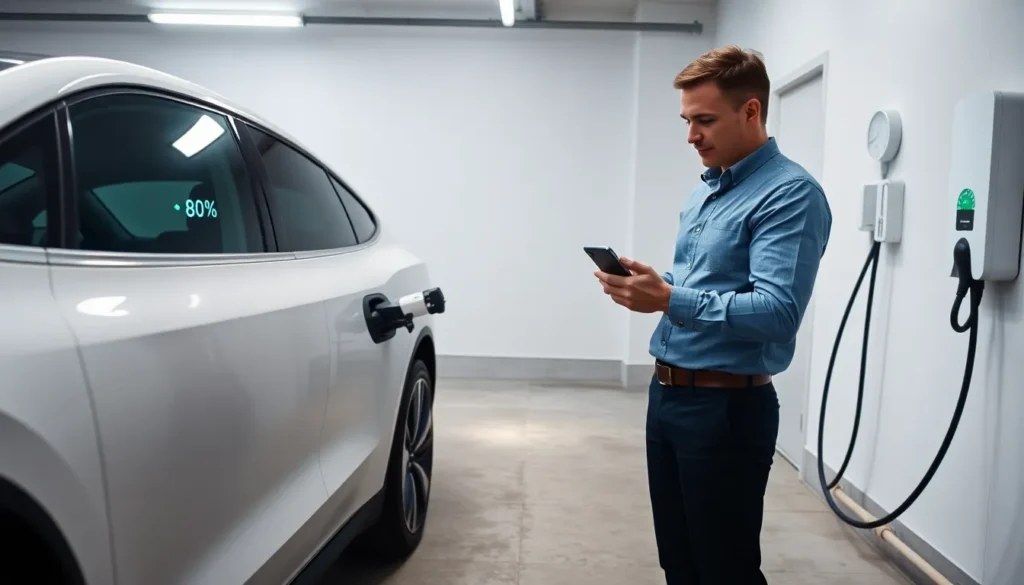
Keeping the battery between 20% and 80% extends its lifespan. Charging to 100% is fine before long trips, but daily charging should stop around 80%. Letting the battery drop below 10% regularly also causes unnecessary wear. These habits form the foundation of good EV ownership.
Battery Care and Maintenance Techniques
The battery pack represents the most expensive component in any electric vehicle. Proper care keeps it healthy for years.
Temperature Management
Extreme temperatures affect battery performance and longevity. Parking in shade during summer and in garages during winter helps maintain optimal temperatures. Many EVs precondition their batteries before driving or charging. Owners should use this feature, especially in cold weather. Cold batteries charge slower and deliver less range.
Software Updates
Manufacturers release software updates that improve battery management systems. These updates can increase range, fix charging issues, and optimize performance. Owners should install updates promptly. Tesla, for example, has added miles of range through over-the-air updates alone.
Avoiding Deep Discharges
Running the battery to 0% damages its cells. Even occasional deep discharges reduce overall capacity over time. The electric vehicle techniques for battery care are straightforward: charge regularly, avoid extremes, and let the car’s systems do their job.
Regular Inspections
While EVs need less maintenance than gas cars, periodic checkups matter. Technicians can identify cooling system issues, check for cell degradation, and verify charging equipment works correctly. Annual inspections catch small problems before they become expensive repairs.
Driving Techniques for Extended Range
How someone drives affects range more than many realize. Simple adjustments can add 10-20% more miles per charge.
Smooth Acceleration
Electric motors deliver instant torque, which makes rapid acceleration tempting. But gentle starts use far less energy. The most efficient electric vehicle techniques involve gradual acceleration and maintaining steady speeds. Aggressive driving can cut range by 25% or more.
Speed Management
Aerodynamic drag increases exponentially with speed. Driving 65 mph instead of 75 mph can improve range by 10-15%. Highway driving always uses more energy than city driving in EVs, the opposite of gas cars. Planning routes with lower speed limits helps on longer trips.
Climate Control Efficiency
Heating and air conditioning draw significant power from the battery. Using seat heaters instead of cabin heating saves energy in winter. Pre-conditioning the cabin while plugged in means the car starts at a comfortable temperature without draining the battery. Some drivers use the “eco” climate mode, which uses less aggressive heating and cooling.
Route Planning
Hilly terrain requires more energy. Flat routes use less power, even if they’re slightly longer. Many navigation apps now account for elevation changes when calculating EV efficiency. Using these tools helps drivers pick the most efficient path.
Regenerative Braking Optimization
Regenerative braking captures energy that would otherwise be lost as heat. Mastering this system is one of the most valuable electric vehicle techniques available.
How Regenerative Braking Works
When the driver lifts off the accelerator, the electric motor reverses its function. Instead of using electricity to spin the wheels, it uses the wheels’ motion to generate electricity. This energy flows back into the battery. The process also slows the vehicle, reducing wear on traditional brake pads.
One-Pedal Driving
Many EVs offer one-pedal driving modes. In these settings, lifting off the accelerator provides strong regenerative braking. Skilled drivers can bring the car to a complete stop without touching the brake pedal. This technique maximizes energy recovery and gives drivers precise control over speed.
Adjusting Regeneration Settings
Most EVs let owners choose regeneration intensity. Higher settings recover more energy but create stronger deceleration. Lower settings feel more like traditional cars. Drivers should experiment with different levels to find what works for their driving style. City driving benefits from stronger regeneration, while highway cruising often works better with lighter settings.
Maximizing Recovery in Traffic
Stop-and-go traffic actually suits EVs well. Each slowdown becomes an opportunity to recapture energy. Anticipating stops and coasting into them, rather than braking hard at the last moment, recovers the most energy. This electric vehicle technique can recover 15-20% of the energy used in typical urban driving.